
This means that the customer’s balance is still recorded in the receivables account. A significant component of this allowance is the aging schedule, which categorizes receivables based on the length of time they have been outstanding. Older receivables are generally considered more likely to become uncollectible.
Allowance for Doubtful Accounts and Bad Debt Expenses
Upon further checking, the company believes that $10,000 of these receivables will never be collected. Thus, the account Allowance for Doubtful Account must have a credit balance of $10,000. If the present balance is $0, the journal entry will the allowance for doubtful accounts is a contra asset account that equals: be a debit of $10,000 to Bad Debts Expense and a credit of $10,000 to Allowance for Doubtful Accounts. Determining the right amount to set aside for potentially uncollectible invoices requires both art and science. Companies must choose a method that balances accuracy with being practical, considering their industry, customer base, and available data.

Matching Principle: Bad Debt and Revenue
This disconnect between expected and actual collectible amounts can significantly impact financial statements. Companies often leverage automation to streamline the billing and invoicing process, reducing the risk of non-payment. Feedback from the accounts receivable (AR) department is crucial in identifying patterns of non-payment and adjusting the bad debt reserve accordingly. Another approach is the percentage of receivables method, which focuses on the outstanding accounts receivable at the end of a period. This method involves applying different percentages to receivables based on their age, as categorized in the aging schedule. For example, receivables that are 30 days past due might have a lower percentage applied compared to those that are 90 days past due.
What methods are available to estimate bad debt expense?
GAAP allows for this provision to mitigate the risk of volatility in share price movements caused by sudden changes on the balance sheet, which is the A/R balance in this context. For detailed expectations and guidelines related to write offs, see Writing Off Uncollectable Receivables. Notice this transaction doesn’t create any new expense since the expense was already recognized when the allowance was established or adjusted.
- The credit balance in Allowance for Doubtful Accounts reduces the amount reported on a company’s balance sheet for accounts receivable to the amount that is expected to be collected.
- In effect, the allowance for doubtful accounts leads to the A/R balance recorded on the balance sheet to reflect a value closer to reality.
- Master accounting topics that pose a particular challenge to finance professionals.
- Any subsequent write-offs of accounts receivable against the allowance for doubtful accounts only impact the balance sheet.
Utilizing an allowance for doubtful accounts offers several tangible benefits to businesses. Firstly, it enhances the accuracy of financial reporting, providing stakeholders with a clear and realistic view of the company’s financial health. This transparency can be invaluable for attracting investors and securing financing. Secondly, it allows businesses to anticipate financial risks, thus fostering better cash flow management and enabling proactive adjustments in credit policies.

This method provides a more granular view of potential uncollectible accounts, allowing businesses to adjust their estimates based on the aging of their receivables. Allowance for doubtful accounts is a contra asset that reduces the total amount of accounts receivable. It is important to note that it does not necessarily reflect subsequent payment of receivables, which may differ from expectations. If actual bad debts differ from the estimated amount, management must adjust its estimate to How to Invoice as a Freelancer align the reserve with actual results.
Pareto Analysis Method

Additionally, maintaining a favorable bad debt to sales ratio demonstrates fiscal responsibility, potentially improving relationships with investors and creditors. By providing a systematic and standardized framework for estimating bad debts, the Allowance Method enhances the accuracy of financial reporting, allowing companies to portray a more reliable financial position. Moreover, the allowance serves as a tool for maintaining compliance with accounting standards, reducing potential discrepancies during audits. By addressing potential losses proactively, companies set a foundation for strategic planning and risk management, ensuring long-term stability and growth. Companies apply a flat percentage to their credit sales for the period based on historical collection rates. The allowance reflects management’s best estimate of the amount of accounts receivable that customers will not pay.
- Let’s assume that a company has a debit balance in Accounts Receivable of $120,500 as a result of having sold goods on credit.
- By maintaining clear communication and providing excellent service, companies can mitigate the risk of bad debt and enhance liquidity management.
- Empowering students and professionals with clear and concise explanations for a better understanding of financial terms.
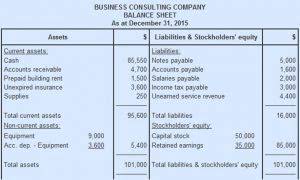
- The balance sheet will now report Accounts Receivable of $120,500 less the Allowance for Doubtful Accounts of $10,000, for a net amount of $110,500.
- In addition, this accounting process prevents the large swings in operating results when uncollectible accounts are written off directly as bad debt expenses.
- By aligning their accounting and tax strategies with IRS guidelines, companies can avoid penalties and ensure their tax returns accurately reflect their financial dealings.
Free Financial Modeling Lessons
On the balance sheet, an allowance for doubtful accounts is considered a “contra-asset” because an increase reduces the accounts receivable (A/R) account. The allowance for doubtful accounts is then used to approximate the percentage of “uncollectible” accounts receivable (A/R). Credit sales all come with some degree of risk that the customer might not hold up their end of the transaction (i.e. when cash payments left unmet). Explore the components, estimation methods, and financial impact of the allowance for doubtful accounts in this comprehensive bookkeeping guide.